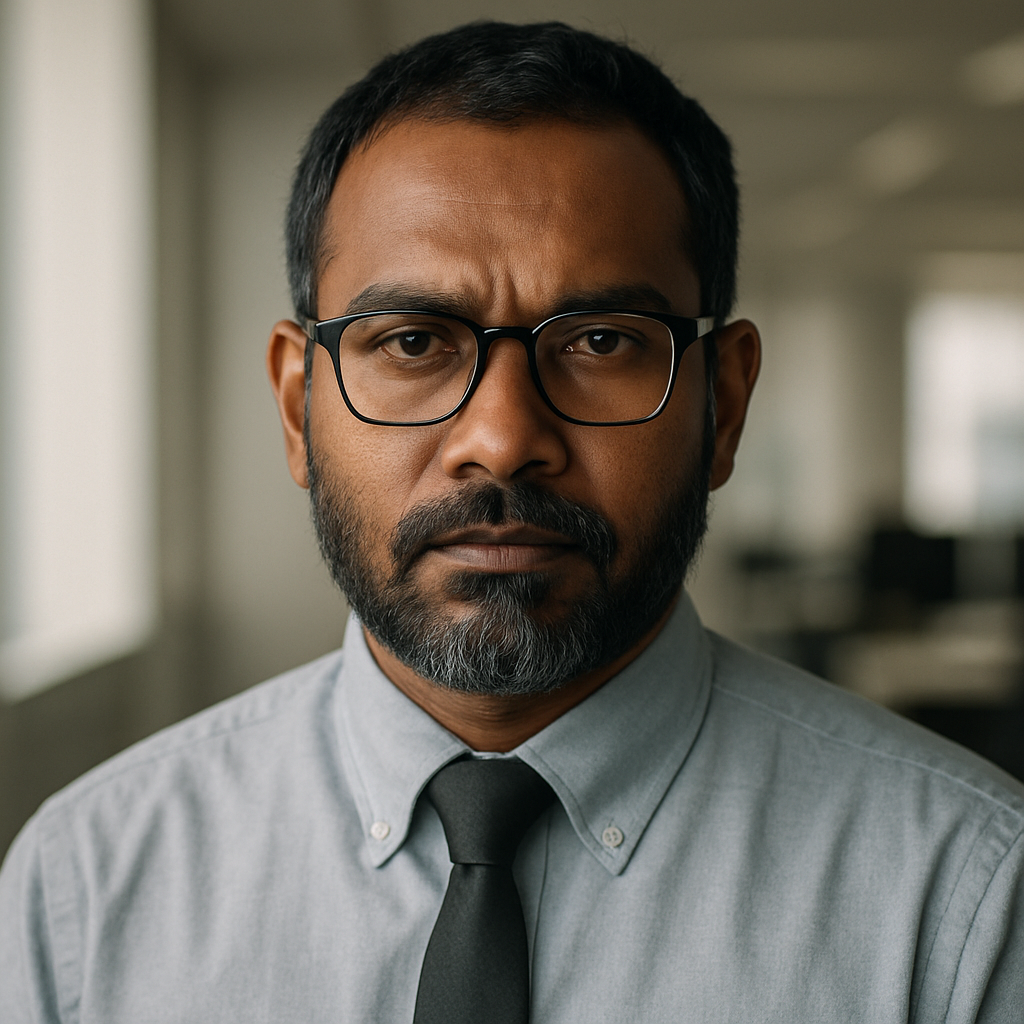
Atef Najib, former head of political security in Deraa province and a cousin of Bashar al-Assad, appeared before a Damascus court charged with crimes against the Syrian people, including murder, torture and responsibility for massacres.
First public trial opens in Damascus
Syria has opened its first public criminal trial of a former Assad-era official, with Atef Najib appearing before a Damascus court to face charges of crimes against the Syrian people.
Najib served as head of political security in Deraa province, the southern city where the 2011 uprising against Bashar al-Assad began. He faces at least ten charges, including murder, torture and responsibility for massacres, Syrian authorities said.
Najib is also a cousin of the former president, making the proceedings the most politically prominent accountability case to reach a Syrian court since Assad's government collapsed.
Charges and background
The trial was described as a landmark step in Syria's effort to prosecute officials responsible for atrocities committed during the civil war. Prosecutors charged Najib specifically with acts carried out under his command in Deraa, where security forces were accused of mass detentions, killings and the torture of civilians in the early years of the conflict.
The opening of the trial follows a separate arrest earlier in April, when Syrian authorities detained Amjad Youssef, the main suspect in the 2013 Tadamon massacre in Damascus. Youssef, a former intelligence officer, was seen in a leaked video shooting blindfolded civilians. Victims in the massacre were bound and blindfolded before being shot and dumped in a pit.
Longer road ahead
The trial has been characterised by observers as a first step on what is expected to be a long process of accountability for crimes committed over more than a decade of conflict. Scenes in the courtroom were described as highly charged as Najib appeared before the bench.
Syria's transitional authorities, led by interim President Ahmed al-Sharaa, have pursued a number of security and governance priorities since Assad's ouster, including a government reshuffle that came amid protests over poor government performance. Separately, Syrian authorities said they dismantled a Hezbollah-linked cell that had been planning targeted assassinations against high-level government officials.